

Day 191/365 The Denim Line: Geometry in the Everyday
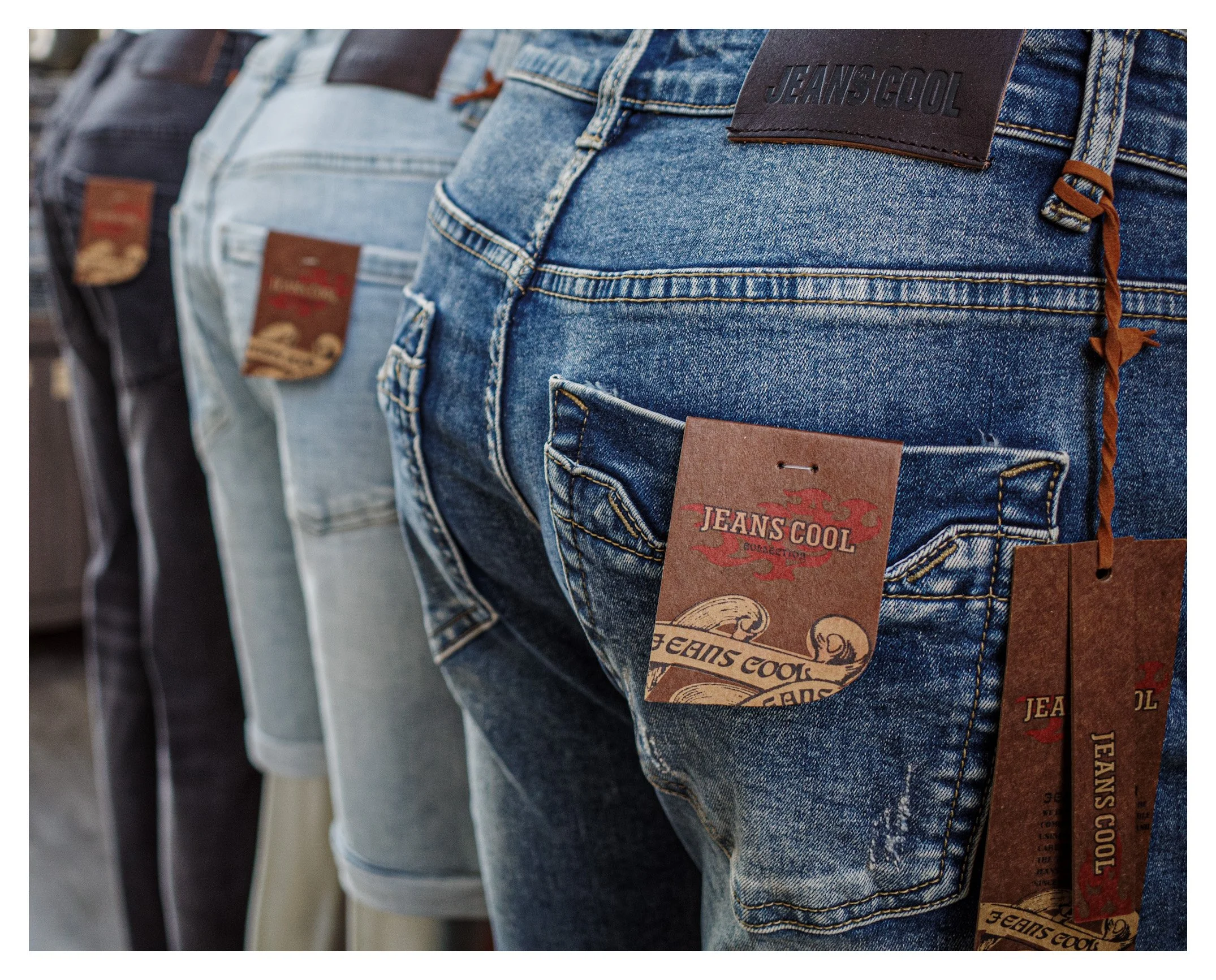
From the rhythmic repetition of texture to the candid nature of street-style captures, this frame explores how simple subjects transform into compelling visual studies. Discover how to leverage depth of field and color theory to turn a casual snapshot into a structured, professional-grade narrative.
Metadata
Camera Model: Ricoh GRIII
Shutter Speed: 1/200
Aperture: f2.8
ISO: 200
The Critique: Texture and Rhythm
As I examine this frame, the first thing that strikes me is the rhythmic repetition. The receding line of figures creates a natural leading line that draws the eye through the composition. By shooting at f2.8, you have utilized a shallow depth of field to isolate the central subject, allowing the "Jeans Cool" branding to act as a focal point against the softly blurred background.
The color palette is remarkably cohesive. The warm, leathery tones of the tags provide a necessary chromatic contrast to the cool, varying shades of indigo denim. However, from a critical perspective, the composition feels slightly "tight." The crop at the bottom edge of the shorts and the partial figure on the far left creates a sense of tension that feels more accidental than intentional.
How to Improve This Image
To elevate this specific shot, consider the following adjustments:
• Environmental Context: Stepping back slightly to include more of the surroundings would transform this from a product shot into an environmental portrait.
• The Angle of View: Lowering the camera height would accentuate the perspective lines, making the receding row of figures feel more monumental and less like a standard eye-level observation.
• Light Management: While the light is soft, a slight "rim light" or a more directional light source would help separate the textures of the different fabrics, highlighting the "grit" and weave of the denim.
Becoming a Master of the Craft
To grow as a photographer, you must transition from capturing "things" to capturing "ideas." I recommend you start a technical log of your shoots. Analyze your metadata alongside your creative successes; for example, identify if your most emotive shots consistently occur at a specific focal length or light level.
Recommended Study Materials
To broaden your visual vocabulary, I suggest diving into the following masters and resources:
Photographers to Research
• Fan Ho: Study his use of shadow, light, and geometric composition in urban environments.
• William Eggleston: The undisputed master of finding the extraordinary within the mundane and the "boring".
• Chien-Chi Chang: Specifically his work The Chain, to understand how repetition and seriality can create a powerful emotional narrative.
Books to Read
• The Decisive Moment by Henri Cartier-Bresson: This is the "bible" of timing and geometry.
• The Americans by Robert Frank: Observe how he captured the soul of a culture through seemingly casual, everyday subjects.
• Magnum Contact Sheets edited by Kristen Lubben: This provides a rare look at the "process" behind the world’s most iconic images.
Videos to Watch
• The Genius of Fan Ho: A deep dive into how he used "the waiting game" to capture perfect street moments.
• William Eggleston - The Color of the Commonplace: A look at how he pioneered color photography as a fine art.
• How to Read a Photograph: An essential guide on visual literacy and decoding the intent behind a frame.