

Day 248/365 From Street to Page: Critiquing the Pier 2 Zine and the Power of Self-Publishing
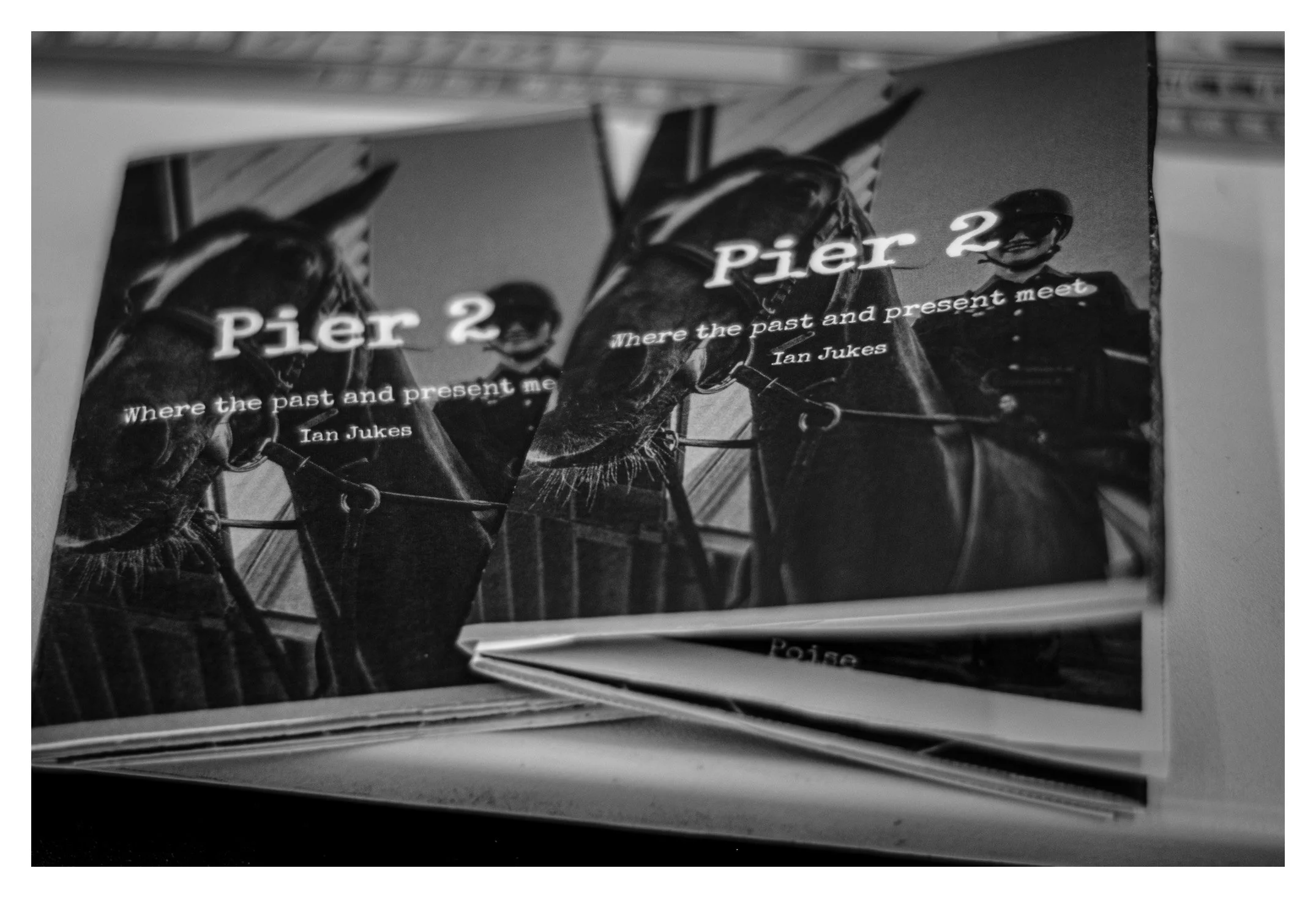
What happens when street photography moves off the sensor and into physical print? Discover how a sequence captured at Kaohsiung's Pier 2 Art Center transitions into a tactical black-and-white zine, and learn why auditing your metadata could be the key to unlocking your long-term photographic voice.
EXIF Data
Camera Model: Fujifilm X-Pro2
Shutter Speed: 1/180
Aperture: f2
ISO: 400
The Critique: Tangibility and Texture
In this frame we are looking at a photograph of an object—specifically, a stack of self-published photography zines. The zine cover itself features a strong, high-contrast monochrome image of horses and handlers at Pier 2, Kaohsiung. As an object-oriented photograph, this image attempts to bridge the gap between street documentary work and the physical artifact of the photobook.
The choice of a shallow depth of field at f2 draws the viewer's eye sharply to the title text and the texture of the front cover's matte paper, allowing the lower stack of pages to fall into a soft blur. The harsh, high-contrast black-and-white rendering on the zine cover itself evokes a gritty, classical street aesthetic.
Areas for Improvement
While the depth of field emphasizes the product, the image could be significantly improved by paying closer attention to the supporting environment and lighting:
Control the Background Elements: The top edge of image.png reveals a distracting, out-of-focus background with linear elements that disrupt the geometric harmony of the composition. Tightening the frame or using a completely neutral backdrop would elevate this from a casual studio snapshot to a professional monograph showcase.
Refine the Lighting Geometry: The light sweeping across the zines is somewhat flat, causing the white text "Pier 2" to lose separation against the highlight areas of the horse's head underneath. Utilizing a subtle directional side-light would catch the texture of the paper grain and give the stack a deeper three-dimensional presence.
Intentionally Align the Focus Plane: At f2, the focus fall-off is rapid. Tilting the camera slightly more parallel to the cover plane would ensure that both the title and the author's name remain crisply legible, securing the graphic strength of the design.
Building a Photographic Practice Through Data
To evolve from capturing isolated moments to executing deliberate, long-term projects, you must treat your camera as an active data-gathering tool. Compiling data on your images allows you to identify your subconscious technical habits and visual blind spots.
I advise building an image database or spreadsheet where you log every serious photograph across several key vectors:
Technical Metadata: Track your most frequent focal lengths, apertures, and shutter speeds. If you discover that 80% of your street work is shot at f2, challenge yourself to shoot at f8 for a month to understand environmental context.
Environmental Variables: Log the weather, time of day, and location. This helps you recognize whether your visual style relies heavily on a specific type of light (e.g., golden hour vs. harsh overcast light).
Conceptual Tagging: Group your work by themes, subjects, or emotions (e.g., alienation, geometry, nostalgia, humor). Over time, sorting this data will reveal the overarching narratives you naturally gravitate toward, providing a blueprint for your next zine layout.
Resources for Critical Study
To expand your visual vocabulary, look to historical masters who have explored the boundaries of monochrome, alienation, and the physical sequencing of layout.
Photographers & Books to Research
Chien-Chi Chang: Study his monograph The Chain or his work Jet Lag. His approach to environmental portraiture and his mastery of capturing psychological alienation within tightly defined spaces will offer deep insights into narrative sequencing.
Chang Chao-Tang: His retrospective Moments in Time 1959-2013 is essential. His work utilizes absurdity and surrealism within the Taiwanese landscape, demonstrating how street scenes can transcend literal documentation.
Fan Ho: Read Portrait of Hong Kong. His use of geometric lines, dramatic shadows, and classic street composition from the 1950s provides a masterclass in utilizing light as a structural element.
Daido Moriyama: Look into his seminal work A Farewell to Black and White. His high-contrast, grainy, and purposefully blurry style ("are, bure, boke") challenges conventional ideas of technical perfection.
Matt Stuart: Read Think Like a Street Photographer for a contemporary perspective on finding wit, color, and candid human observation in daily life.
Educational Videos to Watch
The Shocking Truth About Daido Moriyama's Street Photography Style: Watch this short documentary analysis to understand how Moriyama turned technical "imperfections" like heavy grain and blur into high art. Available on YouTube: The Shocking Truth About Daido Moriyama's Street Photography Style.
Daido Moriyama - Near Equal: A deeper dive into the raw, uncompromising process of the godfather of Japanese avant-garde street photography. Available on YouTube: Daido Moriyama - Near Equal.